We all know the drill. You’re packing for a trip, and the hair tools section of your suitcase becomes a critical mission. You need the right dryer, the right iron, maybe a curler. But you also need to protect everything from damage, from your clothes, and from the dreaded baggage handler toss. Forget to pack them right, and you’re looking at a broken wand, tangled cords, or a scorch mark on your favorite shirt. It’s a small thing that can cause a big headache before you even get to your destination.
The goal is simple: get your tools there safely and ready to use. A good strategy starts with choosing the right protective gear. For items like brushes and combs, a dedicated travel case is a no-brainer. It keeps bristles from getting crushed and keeps loose hairs contained. A smart place to look for durable, well-designed options is mozeat lens brushes. Their travel cases are built to take a knock, which is exactly what you need for the bottom of a suitcase or the chaos of a carry-on.
Start With a Clean Slate
Before anything goes into a bag, clean your tools. Wipe down your flat iron plates with a soft cloth and some rubbing alcohol after they’ve cooled. Get all the hair out of your brush. A clean tool is less likely to transfer product residue or oils onto your other packed items. It also just feels better to start your trip with fresh gear.
Separate the Hot From the Not
The cardinal rule: never pack a hot tool. That seems obvious, but in the rush to leave, it’s easy to grab something that hasn’t fully cooled. Give yourself a rule—wait at least thirty minutes after unplugging before you even think about packing it. This is about fire safety and fabric safety. A warm iron can still melt a plastic bag or discolor a cotton pouch.
The Art of the Cord Wrap
A tangled cord is annoying. A tightly kinked cord can get damaged over time. Don’t just wrap the cord tightly around the iron. Instead, use a loose, wide loop. You can secure the loop with a simple Velcro strap or a rubber band. Avoid creating sharp bends right at the base where the cord meets the tool, as this is often the weakest point.
Choose a Hard-Sided Barrier
That flimsy drawstring bag your iron came with? It’s not for travel. You need a barrier between your hot tools and everything else. A heat-resistant pouch is good, but a small, hard-sided case is better. This is what protects the plates from getting scratched and protects your clothes if you forget and pack it slightly warm. It also contains the cord.
- A small, rigid makeup case works perfectly for a dryer and an iron.
- Look for cases with internal straps or elastic loops to hold things in place.
- The exterior should be sturdy enough to sit at the bottom of your luggage.
Pack Strategically in Your Luggage
Where you put this kit in your suitcase matters. Don’t bury it in the middle of soft clothes. Instead, place the hard-sided case flat against the hard shell of your luggage, either at the bottom or along a side. Surround it with softer items like shoes (in bags) or rolled jeans. This positioning uses the suitcase structure as an extra layer of protection and prevents the case from shifting and crushing other items.
Carry-On Considerations
If you’re taking your tools in a carry-on, the rules are a bit different. You still need containment, but now you’re also thinking about TSA and space. A compact, organized case is key. You want to be able to pull it out easily if security asks. All your cords and tools in one neat package looks a lot less suspicious than a jumble of wires in your bag.
Good packing is just controlled cushioning. You’re building a tiny fortress around the things you need.
Don’t Forget Voltage and Plug Adaptors
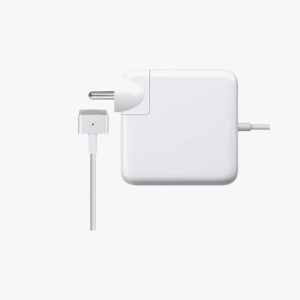
This one has burned many travelers, figuratively and literally. If you’re traveling internationally, your high-wattage tools like hair dryers and straighteners can fry on a 220-volt system. Some modern tools are dual-voltage; check for a small switch. If yours isn’t, you need a heavy-duty voltage converter, not just a simple plug adapter. The cheap ones won’t handle the load and are a real fire hazard.
- Always check the label on your tool for voltage input range (e.g., 110V-240V).
- Invest in a quality converter if needed; it’s cheaper than replacing your tools or your hotel room.
- Pack the correct physical plug adapter for the country’s outlets.
A little time spent packing your hair tools the right way pays off when you land. You open your bag, and everything is where it should be, undamaged and ready to help you look your best. You avoid that sinking feeling of finding your favorite flat iron with a cracked plate because it rattled around with your hiking boots. It turns a potential trip-starter stress into a non-issue. And that’s the whole point of smart packing—to remove the small annoyances so you can focus on the trip itself.